

Call for Quotes Supply, Installation, Repair, Maintenance Contact us today!
Request A Quote




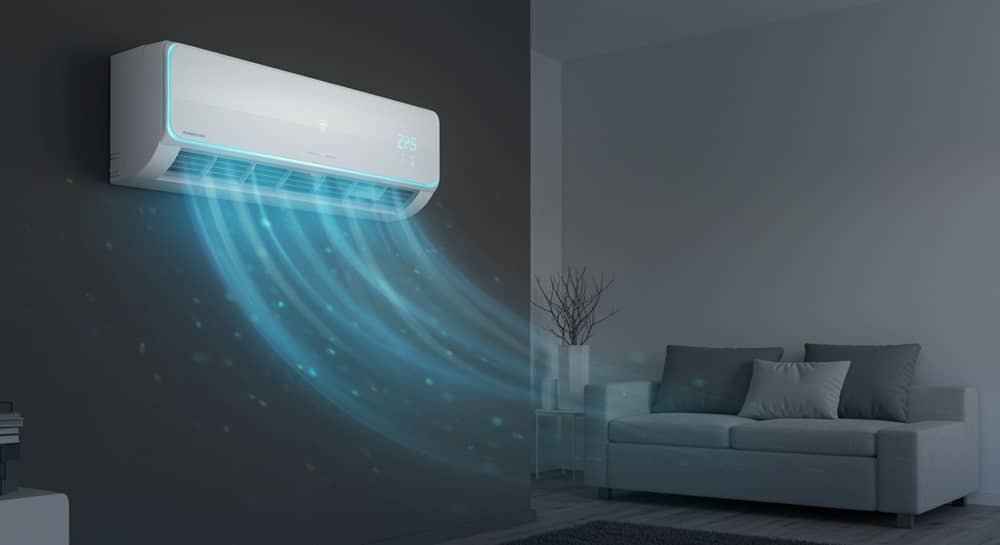
When we turn on the air conditioner, we naturally expect instant relief from the heat. Sometimes, however, all we receive is a stream of warm air (no matter what the setting). This can be everything from frustrating to uncomfortable, and usually happens on the hottest day of the year. Before you assume the system is broken or start worrying about repair costs, it’s worth understanding that this issue is often caused by something simple.
During a long hot summer, our air conditioning systems work very hard. Sometimes a small setting, a blocked component, or a maintenance issue is all it takes for cooling performance to drop. In many cases, you can identify the problem yourself and even fix it without calling a technician.
This guide will walk you through four of the most common reasons the AC is blowing warm air, what you can check on your own, and when it is time to call in a licensed professional. If your system still struggles after these checks, the Absolute Airflow team will be right there to get everything running properly again.
Before jumping into problems, it helps to understand what your air conditioner is supposed to do.
Most Australian homes use split systems, multi-head systems, or ducted reverse cycle air conditioning. All of them work on the same basic principle. Warm air is drawn from inside your home, passed over cold evaporator coils, and then pushed back into the room as cooled air. The heat that is removed from inside is released outside through the outdoor unit.
If any part of that process is interrupted, the system may still run but without actually cooling the air. That is when you end up with warm or barely cool airflow.
This is the simplest cause and also the most common. It sounds obvious, but thermostat settings are often changed accidentally.
Start with your remote or wall controller and confirm the following:
On reverse cycle systems, especially older models, the symbols on the remote can be confusing. A sun icon usually means heating, while a snowflake means cooling. If the system is set to fan mode, it will simply circulate air without cooling it.
When the unit is not actively cooling, it still pushes air through the vents. That air will feel warm if the room itself is warm, leading many people to think the system is faulty when it is actually just set incorrectly.
If you are certain the settings are correct and the system still blows warm air after ten to fifteen minutes, move on to the next checks.
Looking for ducted gas heating for your home in Blackburn, Fawkner, or Greenvale? Absolute Airflow offers affordable supply and installation of quality ducted systems. Our team is fully qualified and has extensive experience with a variety of brands and manufacturers.
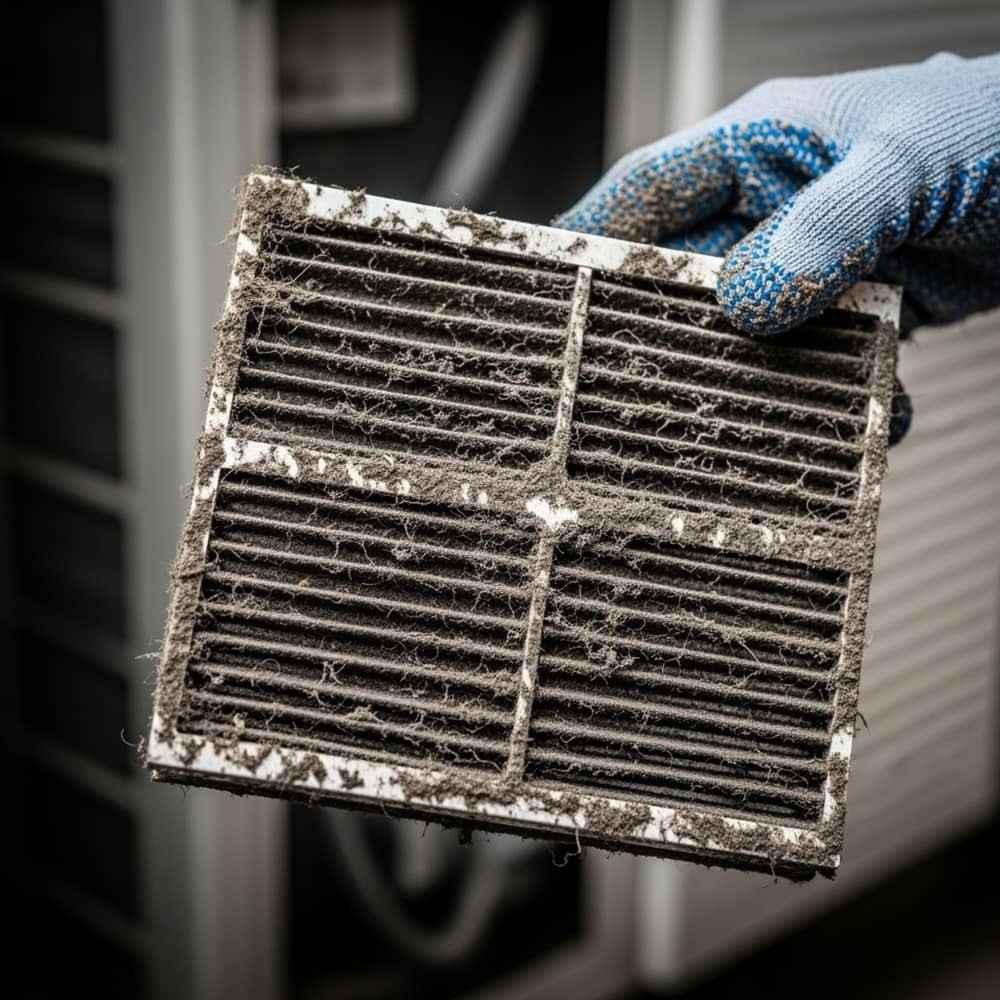
Air filters play a crucial role in your air conditioner. They trap dust, pet hair, pollen, and other airborne particles before air passes through the system.
When filters become clogged, airflow is restricted. This can cause several problems:
In extreme cases, restricted airflow can even cause the evaporator coil to ice up, making cooling impossible.
In most Australian households, filters should be cleaned every four to six weeks during heavy use. Homes with pets, young children, or high dust levels may need more frequent cleaning.
Turn off the system, open the indoor unit, and remove the filters. Most can be rinsed with lukewarm water and left to air dry completely before reinserting. Never put wet filters back into the unit.
If filters are damaged, discoloured, or very old, replacement is a better option.
If cleaning the filters improves airflow but the air is still not cool, there may be a deeper issue such as a frozen coil or refrigerant problem that needs professional attention.
Absolute Airflow can also assist you if you are interested in hydronic heating (underfloor heating), hot water servicing, or a new air conditioning system. We work with reliable and well-loved brands like Mitsubishi Electric, Hisense, Brivis and Daikin, and our technicians are well-versed in installing and maintaining systems from these suppliers.
Your outdoor unit is just as important as the indoor one. It releases the heat collected from inside your home. If it cannot do that effectively, the system cannot cool.
Outdoor units are often exposed to harsh Australian conditions. Common problems include:
When heat cannot be released outside, it stays trapped in the system. The air inside will continue to circulate but without losing heat, meaning it feels warm rather than cool.
Make sure there is at least half a metre of clear space around the outdoor unit. Remove leaves and debris gently and check that the fan is running when the system is on.
Do not attempt to open or hose down the unit aggressively, as this can cause damage.
If the outdoor unit fan is not running, is making unusual noises, or shuts down frequently, professional servicing is essential. Electrical faults and motor issues should never be handled without proper training.
Refrigerant is the substance that absorbs heat from inside your home and releases it outside. Without the correct amount of refrigerant, cooling simply cannot happen.
Low refrigerant levels or leaks often cause the following symptoms:
Handling refrigerants requires specialised tools and licensing in Australia. Attempting to top up refrigerant without fixing the leak will only provide temporary relief and may cause further damage.
If you suspect a refrigerant issue, turn off the system and call a qualified technician. Continuing to run the system can damage the compressor, which is one of the most expensive components to replace.
While the four causes above cover most cases, there are other factors worth considering.
Poor insulation, extreme heatwaves, undersized systems, or ageing components can all reduce cooling efficiency. In some Melbourne summers, air conditioners may struggle during consecutive days of extreme heat, particularly if the system was not designed for the space.
If your system has always struggled to cool your home effectively, it may be time for a performance assessment rather than repeated repairs.
If you have checked the settings, cleaned the filters, cleared the outdoor unit, and the system still blows warm air, it is time to bring in a professional.
A licensed technician can:
Local specialists like Absolute Airflow understand Melbourne’s climate and the demands it places on heating and cooling systems. Proper diagnosis ensures problems are fixed correctly the first time, saving money and frustration in the long run.
If you would like assistance regarding gas ducted heating in Melbourne, please get in touch with us as quickly as possible. You can reach us at 03 7036 9149, or feel free to use our online contact form to leave us a message.
Regular maintenance is the best way to avoid cooling issues. An annual service before summer can identify small problems before they turn into major breakdowns.
Simple habits also help, such as keeping filters clean, maintaining clear airflow around outdoor units, and using appropriate temperature settings.
If you want to learn more about maintaining your system, you might find these related reads helpful:
These resources can help you make informed decisions and keep your system running efficiently year-round.
If your air conditioner is still not cooling properly, do not put up with uncomfortable indoor temperatures. We provide professional air conditioning servicing, repairs, and advice across Melbourne.
Whether it is a quick fix or a more complex issue, expert support can restore comfort and efficiency to your home or workplace. Get in touch today to book an inspection and enjoy cool, reliable air when you need it most.
© Copyright 2026 - Absolute Airflow - All Rights Reserved
 Previous Post

