Absolute Airflow Heating and Cooling

Does Reverse Cycle Heating Dry Out the Air in Your Home? Tips to Fix It

Jun 25, 2026 Reverse Cycle Air Conditioner

During the cold months, if you’ve ever cranked up your reverse cycle air conditioning in Melbourne and felt your skin drying out, your throat getting dry, or your lips getting chapped, you’re not imagining things. It is not uncommon for your reverse cycle heating to dry out the air in your home and lower the indoor humidity. But, it’s not totally your heater’s fault. There’s more going on than just the heater on the wall drying out the air and your skin.

In this article, the team from Absolute Airflow will explain why reverse cycle heating contributes to dry air, what signs to look out for and, more importantly, what you can do to fix the problem.

Reverse Cycle Heating

How Reverse Cycle Heating Works

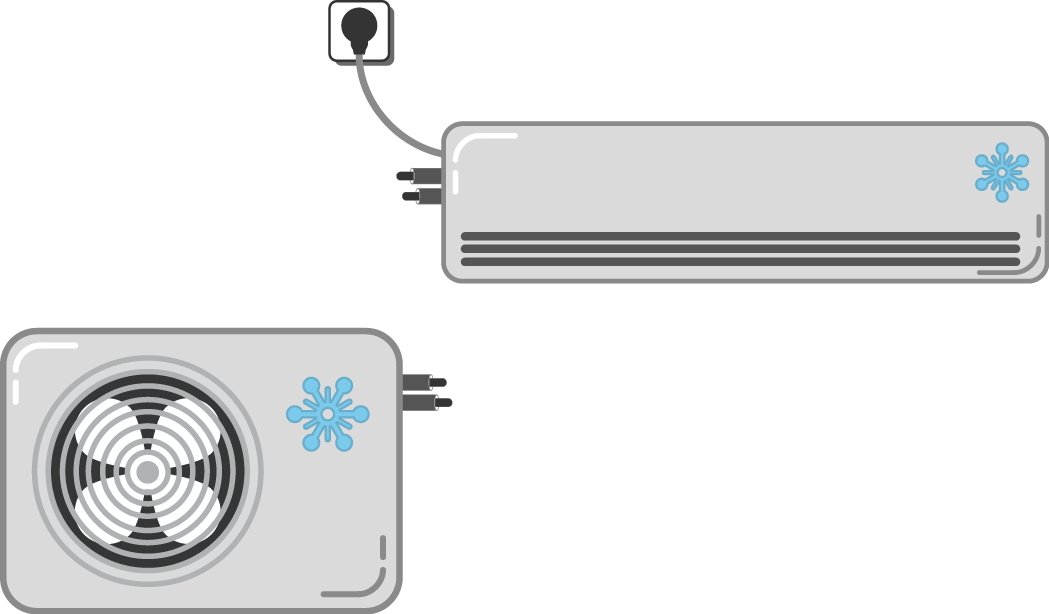
Before we get into the dry air and solve that problem, let’s look at how reverse cycle heating works. They don’t create heat like a traditional heater, rather they use a compressor and a refrigerant to extract ambient heat from outside and push it inside. It moves heat, rather than creates it, and hence is very energy efficient.

There are four steps in the heating process for reverse cycle heating:

  1. Heat Absorption. A liquid refrigerant runs through outdoor coils. This refrigerant absorbs latent heat in the air, even on cold days, and turns the liquid into a gas.
  2. Compression. This gas is then pumped into a compressor. Compressing the gas increases its pressure and hence the heat of the gas.
  3. Heat Release. This hot, high-pressure gas is pumped through coils inside your home. A fan blows indoor air across these heated coils, transferring heat from the coils, to the air and out into your rooms.
  4. Expansion. The gas is cooled down and turns back into a liquid and passes through an expansion valve, dropping the pressure quickly. This makes the refrigerant cold again, so it can go back outside to collect more heat.3

The “Reverse” in Reverse Cycle

The beauty of a reverse cycle system is that it handles both heating and cooling in a single unit. A reversing valve (or four-way valve) changes the direction the refrigerant flows.

  • > In winter: The valve switches the flow so the indoor unit acts as a condenser (releasing heat) and the outdoor unit acts as an evaporator (absorbing heat).
  • > In summer: The process flips. The indoor unit becomes the evaporator (absorbing the heat from your home) and the outdoor unit releases it outside.

If you’re after heating systems in Ringwood, Kew or Essendon, Absolute Airflow has a team of Melbourne-wide installers that are ready to assist. Reach out to us for a free quote today!

Why Reverse Cycle Heating Can Dry Out Indoor Air

Reverse cycle heating doesn’t remove moisture from the air in your home. It dries out your home raising the temperature, and this lowers the relative humidity. Warm air holds more moisture than cold air, so as the room gets warm, more moisture is held, and it feels drier.

Let’s dig a little deeper into this.

The Physics of Relative Humidity

Humidity is measured in ‘relative humidity’, expressed as a percentage of the maximum moisture the air could hold at that temperature. Warm air can hold more moisture than cold air.

So, when the reverse cycle process is at step 1, drawing heat from cold air, the cold air outside holds very little moisture. The heating unit warms up the air, and the air’s capacity to hold more moisture increases, but the actual moisture content stays the same. So the relative humidity drops, the air feels dry, but no moisture has been removed.

A comfortable indoor relative humidity is between 40% and 60%. When the heater is running during winter, the relative humidity can drop below 40%, and this is when you start noticing your dry skin and irritated throat.

Heated, dry indoor air creates a pressure difference in your home, which can draw in colder, drier air from outside through cracks in the doors and windows, from poorly insulated houses. Once this air gets inside and heats up, the relative humidity in your home can drop even more.

What Are the Signs of Dry Air in Your Home?

There can be physical signs of dry air in your home, impacting you, and there can be signs around your actual premise of dry air.

Physical Health Signs of Dry Air

  • > Dry and irritated skin and lips. Your skin might feel tight, which means it is dried out. Your skin might start flaking, becoming itchy, and your lips may become chapped, even with regular use of a chapstick.

Physical Health Signs of Dry Air

  • > Nasal and throat problems. You may have a scratchy throat or an ongoing dry cough. As your nasal passages dry out you may even suffer from blood noses.
  • > Dry eyes. The dry air in your home can literally pull moisture from the mucous membranes of your eyes. This makes them dry, itchy and scratchy.
  • > Feeling cold. Even though your heater is turned up high, dry air makes it difficult for your body to retain warmth. You may feel chills when your heater is set up high.

Signs of Dry Air in Your Home

  • > Static electricity. Dry air tends to conduct electricity better. If you have carpet you may notice shocks when touching doorknobs or using a hairbrush.
  • > Damaged wood. Dry air can draw moisture from wooden surfaces. Over time you may start to notice wooden furniture starting to crack, or floorboards squeaking.
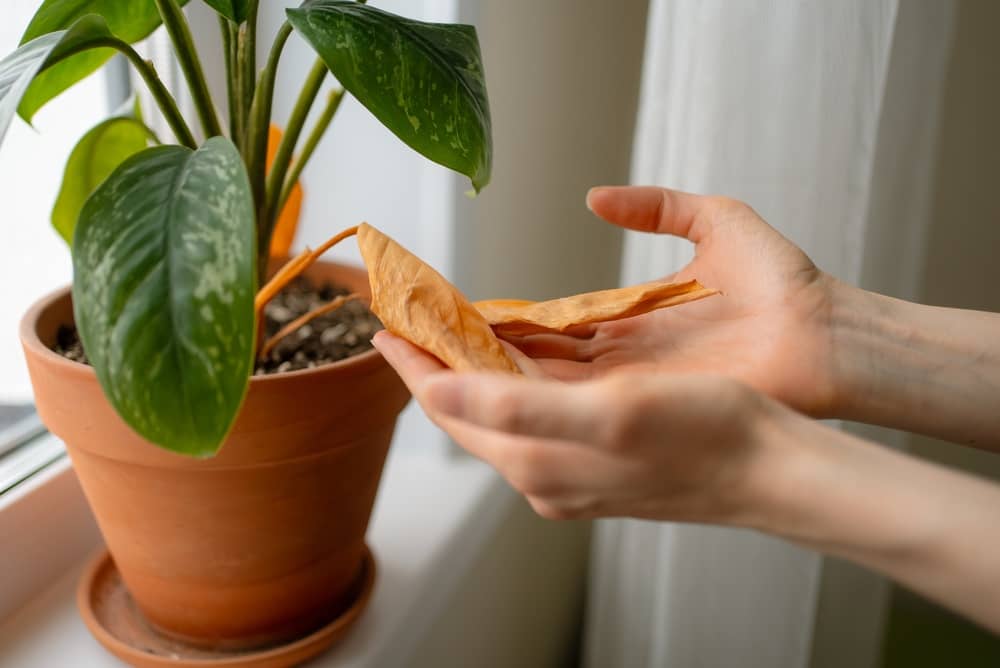
  • > Struggling houseplants. Plants love water. If the air is too dry, the leaves begin turning brown and start to wilt. Cracked wallpaper and paint. Much like wood, dry air can suck the moisture from paint, and from the glue of wallpaper. This can cause paint to crack and wallpaper to crack and peel.

Signs of Dry Air in Your Home

How to Fix Dry Air Caused by Reverse Cycle Heating

You fix the dry air caused by reverse cycle heating by reintroducing moisture to the air. The quickest ways to put moisture back into the air in your home include:

  • > Humidifier. You can buy air humidifiers from any department store. Put it in the room that the heating unit is in, and run it simultaneously.
  • > Air-dry laundry. Using a clothes dryer is the same as running a reverse cycle heater for drying out the air. Air-drying your laundry on a clothes horse helps stop this.
  • > Bathroom doors. Leaving bathroom doors open while you shower can put a lot of moisture back into the air.
  • > More houseplants. Plants that release moisture into the air are a good idea. Plants such as a Rubber Plant, Spider Plant or a Golden Pothos are a low effort and aesthetically pleasing way to combat dry warm air.
  • > Bowls of water. An incredibly simple trick, but placing bowls of water near heating vents can encourage evaporation and keep moisture levels high.

How a Well-Maintained System Prevents Dryness

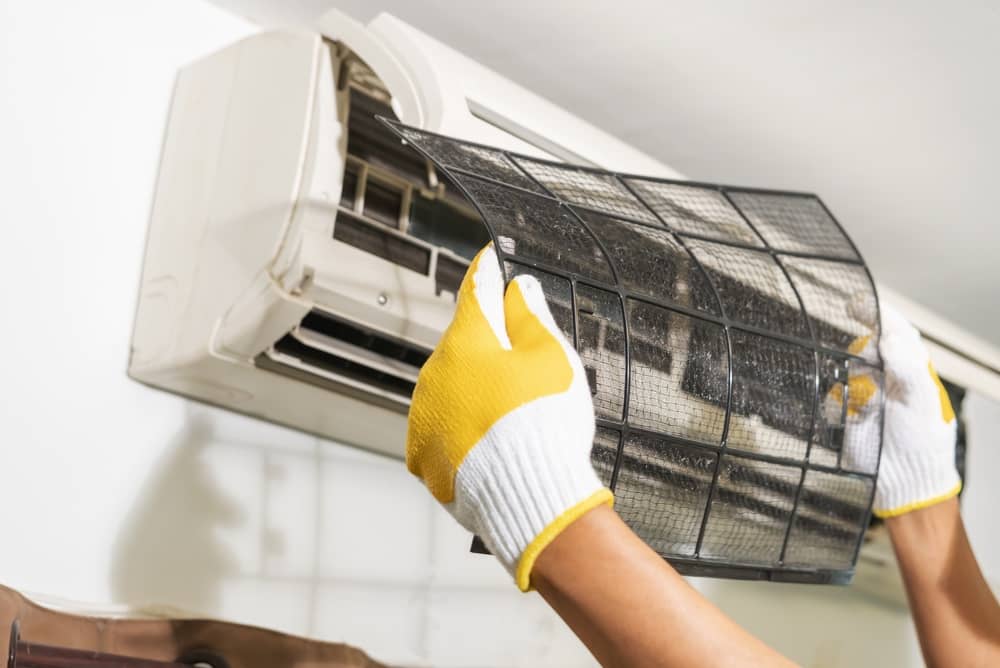
  • > Clean return air filters. When filters are clogged with dust and grit it can restrict airflow and force the system to work harder. This can dry out the convective air and make sinuses feel irritated. A filter that is cleaned regularly allows for a gentle, steady and natural airflow. Simply vacuuming or rinsing the indoor filters maintains healthy airflow
  • > Stable Inverter. Modern reverse cycle systems use inverter compressors to hold a steady room temperature, rather than blast out hot air. Keeping this component maintained helps stabilise the air in your home.
  • > Run in “Dry Mode”. If the air ever feels overly humid and stale, use the Dry/Dehumidify mode for 1–2 hours to balance the room’s moisture levels.

Well-Maintained System Prevents Dryness

When to Call Absolute Airflow

Reverse cycle heating is one of the most efficient and versatile ways to keep your Melbourne home warm during winter. However, like any system, it works best when you understand how to get the most out of it. A drop in relative humidity is a normal side effect of heating your home, and the good news is that it’s easy to manage with a few simple habits and the right setup.

If your heating feels like it’s working overtime, your air quality seems off, or it’s simply been a while since your last service, the team at Absolute Airflow are here to help. We provide expert heating and cooling services across Melbourne, from routine maintenance and filter cleans to full system installations.

We have more information on how to effectively use your split system all year round. For further reading, follow this link.

Get in touch with Absolute Airflow today to book a service or request a free quote, and stay warm, comfortable, and breathing easy all winter long.

Call for Quotes Supply, Installation, Repair, Maintenance Contact us today!
Request A Quote Angle Right Icon