

Call for Quotes Supply, Installation, Repair, Maintenance Contact us today!
Request A Quote




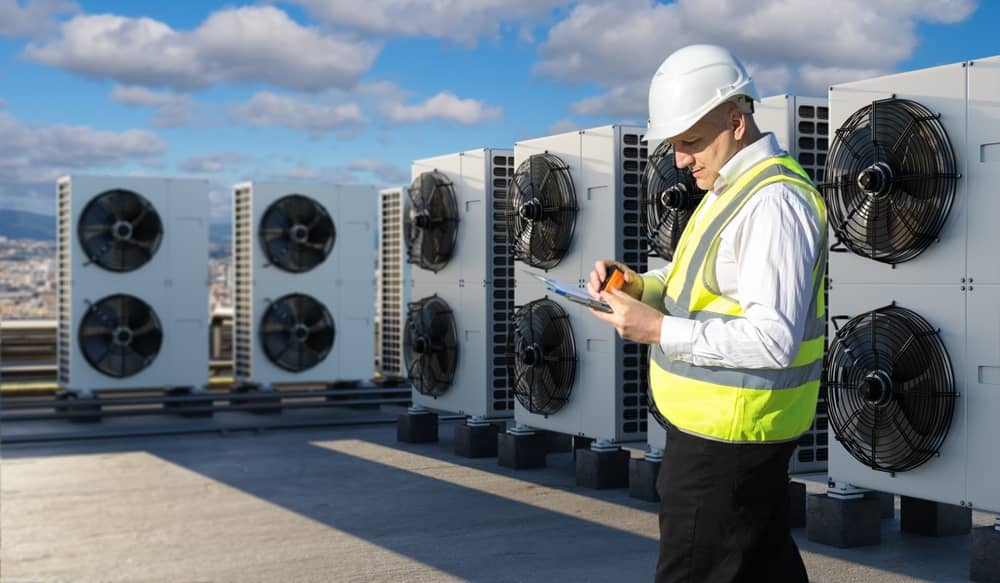
A commercial HVAC system rarely fails without some warning, and something that seem small issue can quickly grow into a bigger problem. What starts out as a struggling compressor, or a simple clogged filter, can build quietly into an expensive breakdown, and often at the worst times, when you most need it. This is the gap that a regular maintenance contract is designed to close.
As a business owner or facility manager, the question isn’t really whether maintenance matters, it’s whether paying for an ongoing contract makes more sense than calling someone out only when something breaks.
In this article, we’ll be breaking down what’s typically included in a commercial HVAC maintenance contract, why commercial systems demand a higher level of care than domestic systems, and whether an ongoing contract is better than a single call-out repair.
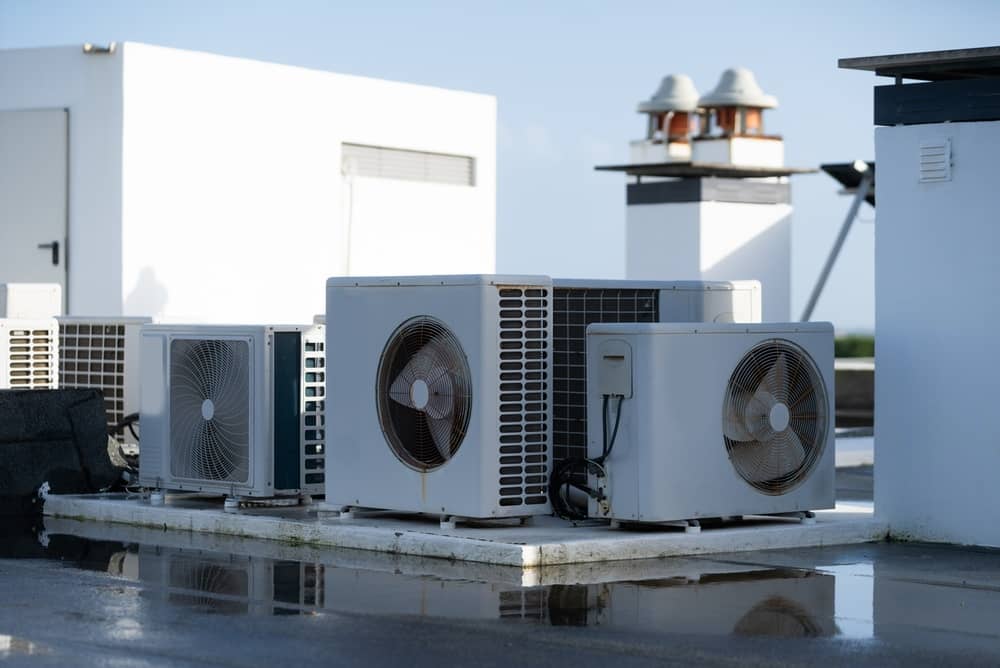
A commercial HVAC maintenance contract is an agreement for regularly scheduled maintenance and service. It’s an agreement that guarantees regular inspections, cleaning and tuning of your commercial-sized heating and cooling systems. This takes the worry of remembering to have your system looked at. A regularly maintained HVAC runs smoothly, lowers energy bills and gives you happy occupants who can rely on their workplace being warm in winter and cool in summer.
Scheduled maintenance also keeps your system compliant, and that your building meets safety standards for air quality.
A typical contract for maintenance should include regular system tune-ups, filter changes, safety checks and cleaning. It should also lay out the visiting schedule, either quarterly or semi-annually, SLAs to include response times, if parts and labour are included, and the basic costs for an annual contract.
Here are some elements that can be included in a commercial HVAC maintenance contract:
A qualified technician will regularly inspect, clean and make any adjustments to your HVAC. These routine tasks may include:
A contract will have, in writing, a guaranteed service level expectation for technicians. This would include response times and service hours. Typical SLAs include:
This section of the contract will specify who pays for parts and who pays for labour.
Commercial HVAC contracts, from reliable vendors, often have perks for you to keep your business.
Commercial buildings have larger and more complex HVAC systems than homes. With a home you may have four or five outlets in the roof, with some ducting running in your roof crawl space. However, a commercial building will have many more vents, covering a wider area, and sometimes on multiple floors. This means much more ducting, more power required to maintain temperatures, and often they’re running all day, every day, to maintain a comfortable working environment.
Any downtime in a commercial system can cost time and money to the business, so this is a huge reason as to why many commercial businesses get maintenance contracts to regularly look after their HVAC.
With residential HVAC units, they’re placed on a wall or outside on the ground, which is easy to access. Commercial HVAC units are often mounted on the roof. This not only puts them at greater exposure to the elements but it can also be more difficult to work on, needing a specialised repair crew.
The complexity of a commercial HVAC system is beyond what you would have for your home. In your home system you have 1 thermostat to control the temperature of your whole home. A commercial unit has multiple zones and multiple thermostats to control these zones.
As mentioned, often commercial HVAC units must be running constantly to maintain a certain temperature, keep a server room cool, and such. This means all the moving parts are engaged, all the time. At home, you can turn your HVAC on and off as you need. This can preserve all the moving parts for far longer than their commercial cousins.
When you view the maintenance contract initially, you might only see the dollar sign and think to yourself- we can save money by only calling when something goes wrong. However, problems often snowball. A small clicking sound might seem innocuous for a while, until you realise it is two elements knocking against each other, and it breaks in the early hours of the morning. This can mean an expensive out-of-hours emergency repair call, and the heating or cooling of your office being down for a couple of days.
Another thing to consider is the warranty. You may believe that you don’t need the maintenance contract because your system is under warranty, but often these warranties need evidence of regular maintenance. If you don’t have regular service logs to show you were maintaining the equipment, the manufacturer may void the warranty.
The other big factor of skipping maintenance can be the true cost of downtime. Regular maintenance might have your system shut down for a couple of hours, but if your HVAC crashes and needs big repairs, the time it’s not working could be far longer. There is a formula that you can use to calculate the cost of the downtime:
Total Downtime Cost = Downtime Hours x Revenue Rate per Hour x Margin.
This is where you multiply the number of hours that your system is down, by how much revenue you would normally generate in those hours, and then apply the margin. This will give you a realistic dollar figure of how much money you’ve lost, rather than just how much the repair will cost. You can imagine that figure is going to be big.
We believe that maintenance contracts are worth it due to the money a business will not lose. Contracts often give you priority service and discounted repair rates, which are important for a business to keep being in business.
Consider what kind of business you have. If you’re a restaurant or a lab, then you need constant air temperature control to stop food, or samples, from going off. Unexpected failures can cause catastrophic losses.
Also consider the conditions of your warranty. It may be that without a contract you may inadvertently be voiding your warranty, which can cost you even more money.
A commercial HVAC maintenance contract isn’t just an added expense, it’s protection against the far bigger costs of downtime, emergency repairs and voided warranties. Regular servicing keeps your system running efficiently, keeps your building compliant, and keeps your business open when it matters most.
At Absolute Airflow, we work with businesses across Melbourne to build maintenance plans tailored to their systems and their budget, whether that’s a straightforward labour only agreement or a comprehensive contract covering parts and labour. Get in touch with our team today to discuss a maintenance plan for your commercial property.
© Copyright 2026 - Absolute Airflow - All Rights Reserved
 Previous Post
