

Call for Quotes Supply, Installation, Repair, Maintenance Contact us today!
Request A Quote




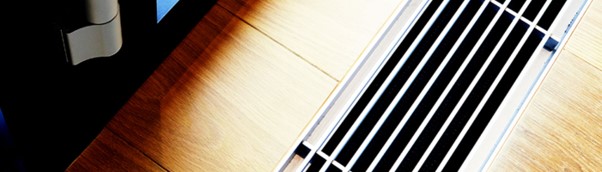
If your gas ducted heater is on its last legs, or you’re simply looking to cut ties with gas altogether, now is a good time to make the switch. Rising gas prices, ageing systems, and increasingly generous government incentives have made replacing gas ducted heating with electric one of the most common upgrades Melbourne homeowners are asking about.
The good news is there’s more than one way to do it, and the numbers stack up better than most people expect once rebates are factored in. Victoria currently offers some of the strongest heating and cooling incentives in the country, with support available for both ducted systems and split system upgrades. In this guide, we’ll walk through the electric replacement options available, what a ducted heating rebate or a split system rebate in Victoria could mean for your upfront cost, and what to expect from installation through to your first winter running on electric.
Ready to make the switch? Get a free quote from Absolute Airflow and find out which electric option, and which rebate, suits your home.
High gas supply charges, rising fuel prices and generous rebates from the Victorian government have Melbourne homeowners making the move from gas to electric heating and cooking. With the costs of living on the rise, families are trying to find ways to save money on household bills, and making the change to electricity is a smart choice to make.
There are 4 main reasons why Victorians are shifting from gas powered heating and cooking to electric.
It costs between $300 to $500 a year just to stay connected to the gas supply network. This is regardless of how much gas you use during that year. This adds up over the years to be quite a lot of money no matter how much gas you use. Disconnecting from gas entirely removes this fee altogether. Since you’re already connected to the electrical grid with your lights and appliances, you are not incurring more supply fees.
Gas is no longer the lower-cost option. Prices have climbed, while electric systems have become far more efficient, together closing the gap that used to make gas the cheaper choice. Modern reverse-cycle units move heat, rather than creating it, which costs around half as much as gas. If you pair your reverse cycle with solar panels, it becomes even more efficient to run daily.

Under Victoria’s new Gas Substitution Roadmap, new homes and subdivisions are banned from installing gas connections. This is to lower emissions and lower household costs. This new roadmap applies to rental properties as well, where broken gas appliances are to be replaced with energy-efficient electric units rather than new gas-powered systems.
Many gas systems in Melbourne are over 10 years old, nearing the end of their operational lifespan. Older gas units carry risks of carbon monoxide leaks, a silent killer. This prompts many families to switch to electric.

Choosing between a split system or a ducted system depends on the size of your home, the areas you wish to heat, and your budget.
Split systems are the go-to for individual rooms, small apartments, or offices. They’re more affordable to buy, install, and service than a ducted setup, and because they only heat or cool the room they’re in, you’re not paying to condition space you’re not using. With proper care, a split system will typically run for up to 10 years.
Ducted reverse cycle systems, on the other hand, are built for whole-home comfort. Ceiling or wall ducts carry conditioned air throughout the house from a single system, making this the natural choice for larger, multi-room homes. It’s also a long-term investment that adds real value to your property, and a well-maintained ducted system will generally last around 15 years.
Multi-head split systems connect two or more indoor units to a single outdoor condenser, giving you flexible room-by-room zoning without cluttering the exterior of your home with multiple outdoor units.
Upfront, a multi-head system typically costs more than a single split, since you’re paying for several indoor units and a larger condenser, but generally less than a full ducted system. The exact price comes down to how many rooms you’re zoning, the capacity required, and how straightforward the installation is, so it’s worth getting a tailored quote for your home rather than relying on a ballpark figure. Once installed, running costs are significantly lower than a portable heater or standalone element, and providers like Absolute Airflow often offer free consultations, quotes, and interest-free payment plans to help spread the upfront cost.
Multi-head setups particularly suit multi-storey homes, properties with limited outdoor space for several condensers, or households wanting individual temperature control in specific rooms. Because there’s no ductwork involved, they’re also a strong option for older homes or renovations where running bulky ceiling ducts would be difficult or expensive.
Suitability
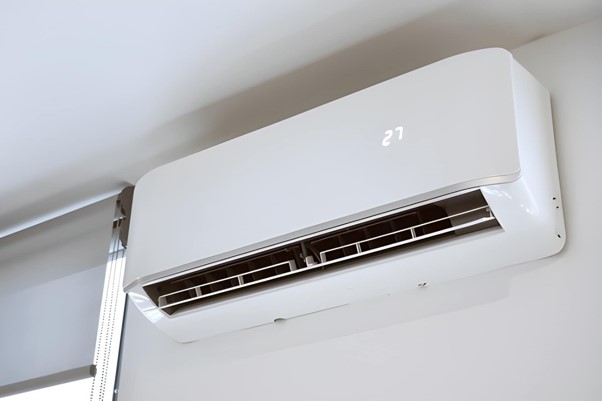
Ducted reverse cycle heating systems from Absolute Airflow typically cost between $6,000 and $12,000 for supply and installation, depending on the brand, size, and layout of your home.Running costs are where the real savings show up: a household running a portable heater for six hours a day over a 90-day winter could spend close to $540 on heating alone, compared to under $150 for the same level of warmth from a reverse cycle system. Victorian households may also be eligible for government rebates on ductwork and installation, and you can request a free consultation or quote directly through Absolute Airflow.
Ducted systems deliver powerful heating in winter and efficient cooling in summer through the same internal ductwork, making them well suited to large open-plan homes, multi-storey residences, or properties using smart zone control systems like iZone.
Sizing a ducted system comes down to your total floor area, insulation, ceiling height, and how the home is zoned, so it’s always worth getting a professional assessment before settling on a system. As a rough starting point, the Victorian Government’s own guidance recommends around 1.1kW to 1.4kW of heating output for every 10m² of home covered by the system, depending on the specific characteristics of your property. A small home of around 100m² typically needs roughly 11kW to 14kW, while a larger home of around 150m² needs roughly 16.5kW to 21kW. These figures are indicative only, older homes with less insulation, high ceilings, or large windows will usually need more capacity, while newer, well-insulated homes may need less. A qualified technician can confirm the right size for your specific home.
These figures are indicative only. Older homes with less insulation, high ceilings, or large windows will typically need more capacity, while newer, well-insulated homes may need less. A qualified technician can confirm the right size for your specific home.
The VEU program gives you an upfront discount on energy-efficient upgrades rather than a cash-back rebate.
When you replace an old gas appliance with an approved energy-efficient electric model, an authorised installer, known as an accredited provider, creates a Victorian Energy Efficiency Certificate (VEEC). Each certificate represents one tonne of greenhouse gas that is kept out of the atmosphere.
The accredited provider sells these certificates to big energy companies, which need them to meet mandated government climate targets. The money from selling these certificates is subtracted from your invoice, and you only pay the leftover balance. No paperwork or applications are required by you. This applies whether you’re claiming a ducted heating rebate or a split system rebate in Victoria, the process works the same way regardless of which system you choose.
Common Eligible Upgrades
| Ducted Heating Rebate Victoria (household) | Split System Rebate Victoria (household) | |
| Program | Victorian Energy Upgrades (VEU) | Victorian Energy Upgrades (VEU) |
| Upfront Discount | Up to $5,530 | Up to $1,610 |
| Annual Energy Bill Savings | Up to $1,140 a year | Up to $460 a year |
| How it’s applied | Upfront discount on invoice via accredited provider | Upfront discount on invoice via accredited provider |
| Property eligibility | Existing system must be more than 2 years old | Existing system must be more than 2 years old |
| Who’s eligible | All Victorian households and businesses; private rental properties eligible too | All Victorian households and businesses; private rental properties eligible too |
| Requirement | Approved high-efficiency reverse cycle system with min. 5-year warranty | Approved high-efficiency reverse cycle system with min. 5-year warranty |
| Installer requirement | Must use a VEU-accredited provider (or your own installer partnered with one) | Must use a VEU-accredited provider (or your own installer partnered with one) |
Switching from gas ducted heating to electric doesn’t have to mean overhauling your entire home overnight. A split system might suit a smaller space, a multi-head setup can cover a few key rooms, and a full ducted reverse cycle system is often the right fit for whole-home comfort. In every case, the VEU program makes the upfront cost far more manageable than most homeowners expect, and the running cost savings keep paying off long after installation.
The best next step is a proper assessment of your home, your current system, and which rebate applies to your situation. From Coolaroo to Hawthorn, Pascoe Vale to Coburg, and everywhere in between, Absolute Airflow can walk you through your options and handle the switch from start to finish.
Ready to leave gas behind? Get a free quote from Absolute Airflow and find out what your upgrade could look like, and save, this winter.
© Copyright 2026 - Absolute Airflow - All Rights Reserved
 Previous Post